

Welcome to our comprehensive guide on citizenship by investment faqs. This article aims to clarify the most common questions surrounding this increasingly popular avenue for obtaining citizenship in various countries.
What is Citizenship by Investment?
Citizenship by investment (CBI) programs allow individuals to acquire a new citizenship or passport by making a significant financial investment in a country. This could involve investing in government bonds, real estate, or business ventures. The primary benefit of CBI programs is that they provide an expedited route to citizenship, often as quickly as a few months.
How Does It Work?
The process varies depending on the country, but generally, it involves several key steps:
- Research: Investigate which countries offer CBI programs and what the requirements are.
- Choose an Investment Option: Select the type of investment that suits your situation—real estate, government bonds, or donations.
- Application Submission: Prepare and submit your application with the required documentation, including proof of the investment.
- Due Diligence: Undergo a thorough background check and assessment by the authorities.
- Approval and Citizenship Granted: Upon successful completion of all steps, you’ll receive your citizenship certificate.
Who is Eligible?
Eligibility requirements differ by country, but some common criteria include:
- Being of legal age (usually at least 18 years old).
- Having no criminal record.
- Proof of the source of funds for the investment.
- Meeting the minimum investment threshold, which varies by program.
What are the Benefits of Citizenship by Investment?
There are numerous advantages to obtaining citizenship through investment:

- Global Mobility: Increase your ability to travel without visa restrictions.
- Quality of Life: Access superior healthcare, education, and living conditions.
- Tax Benefits: Potential for favorable tax conditions in certain jurisdictions.
- Business Opportunities: Expand your business ventures in new markets.
Which Countries Offer Citizenship by Investment?
Several countries are renowned for their CBI programs, including:
- Dominica
- St. Kitts and Nevis
- Antigua and Barbuda
- Granada
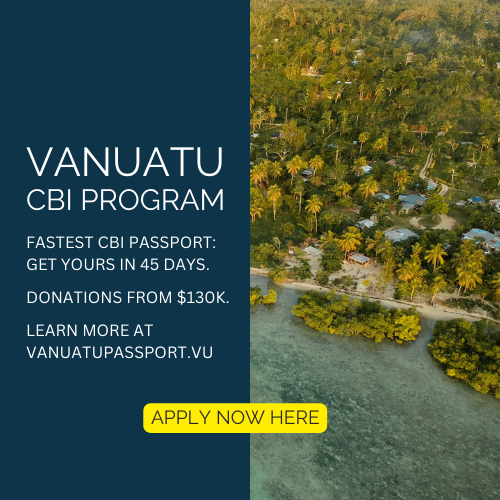
- Vanuatu
- Portugal (Golden Visa program)
- Cyprus (though currently suspended)
Each of these countries has its own regulations, investment options, and benefits, making it essential to do thorough research before selecting a destination.
How Long Does the Process Take?
The timeline for obtaining citizenship varies significantly by country and can range from a few months to over a year. For instance, countries like St. Kitts and Nevis typically offer expedited processing and can issue citizenship in as little as three months, while other destinations may take longer.
What are the Costs Involved?
The total cost of obtaining citizenship by investment can vary widely based on the investment amount and additional fees. Some typical costs may include:
- Minimum investment amount (ranging from $100,000 to over $2 million, depending on the country).
- Government application fees.
- Due diligence fees.
- Legal fees for professional assistance with the application.
Prospective investors should budget not only for the investment itself but for all associated costs to avoid any surprises.
Are There Any Risks?
While CBI offers many benefits, there are also risks involved, such as:
- Regulatory Changes: Countries may alter their CBI programs or fees, affecting current and future applicants.
- Less Security: Some jurisdictions may have less stable political or economic environments which could impact the safety of your investment.
- Fraud: Due diligence is crucial to ensure you are working with reputable agencies and firms.
It’s essential to speak with experts and conduct your own research before proceeding with an investment.
Can Family Members Be Included?
Many CBI programs allow applicants to include immediate family members, such as spouses and dependent children, in their application. Some programs even permit the inclusion of extended family members, such as parents and siblings, making it a great option for families looking to secure a second citizenship together.
Is Permanent Residency Required Before Citizenship?
Unlike some traditional immigration routes, most CBI programs do not require applicants to first obtain permanent residency before they can apply for citizenship. This makes the process much quicker and more straightforward for eligible investors.
What Happens After Citizenship is Granted?
Once you receive your citizenship, you will enjoy all the rights and privileges associated with it. These generally include the right to reside, work, and study in that country, as well as travel with a new passport. However, you should also be aware of any obligations that may come with your new citizenship, such as taxation or residency requirements.
Conclusion
Citizenship by investment is a powerful tool that opens a multitude of opportunities for individuals and their families. By understanding the details, benefits, and risks involved, you can make an informed decision about whether this path is right for you. Always consult with a qualified immigration professional or legal advisor when considering such significant investments and applications.
コメントを残す